
Material updated: 06.06.26
Dubai's real estate market continues to evolve, driven by strong investor demand, government initiatives, and a booming economy. As we step into 2025, the sector remains a hotspot for global investors, offering lucrative opportunities across residential, commercial, and luxury segments. With mega-projects, favorable policies, and a rising influx of expatriates, Dubai’s property landscape is set for another dynamic year.
Economic and Regulatory Factors Impacting the Market
1. Strong Economic Growth and Diversification
Dubai’s economy remains resilient, with steady growth in non-oil sectors such as tourism, finance, and technology. The UAE’s Vision 2030 and Dubai Economic Agenda (D33) focus on economic diversification, increasing investor confidence and demand for real estate.
2. Foreign Investment Incentives
Dubai continues to introduce investor-friendly policies, including long-term visas, the Golden Visa program, and 100% foreign ownership in key business sectors. These initiatives make property investment more appealing to international buyers.
3. Real Estate Regulations and Consumer Protection
The Dubai Land Department (DLD) has implemented stricter regulations to ensure market transparency and prevent speculative buying. Measures such as escrow accounts, digital property transactions, and mandatory disclosures protect investors and promote sustainable growth.
4. Interest Rates and Mortgage Accessibility
Global economic conditions and interest rate trends influence Dubai’s property market. While mortgage rates remain competitive, any fluctuations in borrowing costs could impact demand for high-end and mid-market properties.
5. Supply and Demand Balance
Dubai continues to manage its real estate supply through careful planning and project approvals, reducing the risk of oversupply. Government oversight helps maintain price stability and ensures sustainable growth in the sector.
Residential Market Outlook
Dubai’s residential real estate market in 2025 is poised for continued growth, driven by strong demand, evolving consumer preferences, and government-backed initiatives. Here’s what to expect in the coming year:
1. Stable Price Growth with High Demand
Property prices in key residential areas are expected to remain stable or see moderate growth, fueled by increasing demand from expatriates, high-net-worth individuals, and long-term investors. Luxury villas and waterfront properties, in particular, continue to attract strong interest.
2. Shift Towards Sustainable and Smart Homes
With Dubai’s sustainability goals in focus, developers are integrating eco-friendly designs, smart home technology, and energy-efficient solutions into new residential projects. Buyers are increasingly prioritizing sustainable living options, influencing new developments.
3. Growth in Affordable and Mid-Segment Housing
As Dubai becomes more accessible to expatriates and professionals, demand for affordable and mid-range housing is rising. Areas such as Dubai South, Jumeirah Village Circle (JVC), and Dubailand are gaining traction due to their competitive pricing and improved infrastructure.
4. High Rental Yields and Investor Interest
Dubai remains one of the top cities globally for rental yields, with some areas offering returns of 6-8%. The strong influx of expatriates and digital nomads continues to boost the rental market, making buy-to-let investments highly attractive.
5. Flexible Payment Plans and Off-Plan Sales Boom
Developers are offering flexible post-handover payment plans and attractive financing options, driving interest in off-plan properties. With upcoming mega-projects and smart city developments, off-plan sales are expected to remain a significant market driver.
Commercial & Retail Real Estate Trends
Commercial Real Estate Trends
Demand for Flexible and Co-Working Spaces
The rise of the gig economy, startups, and multinational satellite offices is driving demand for:
- Co-working spaces — popular in locations like DIFC, Business Bay, and JLT.
- Serviced offices — offering plug-and-play solutions for small and medium-sized businesses (SMEs).
- Short-term leasing options — preferred by companies looking for flexibility amid economic uncertainties.
Increasing Demand for Grade A Office Spaces
Dubai’s status as a global business hub attracts corporations looking for premium office spaces. The most in-demand features include:
- Smart and sustainable office buildings — energy-efficient structures with LEED certifications.
- Prime locations — DIFC, Downtown Dubai, and Sheikh Zayed Road remain top choices.
- High-end amenities — businesses prioritize offices with advanced security, premium facilities, and seamless digital infrastructure.
Rise in Commercial Property Prices & Rental Rates
Due to limited availability in top business districts, rental prices for premium office spaces are expected to rise. Key factors influencing this trend:
- Influx of international companies setting up headquarters in Dubai.
- Economic stability and pro-business regulations attracting FDI.
- Shift from traditional office leases to modern, fully serviced spaces.
Expansion of Free Zones & Business Districts
Dubai continues to expand its free zones, offering tax incentives and 100% foreign ownership to attract global businesses. Notable developments include:
- Dubai CommerCity — focused on e-commerce businesses.
- Dubai Silicon Oasis — a growing hub for tech and innovation firms.
- Dubai South — boosted by proximity to Al Maktoum International Airport and Expo City.
Retail Real Estate Trends
Continued Growth of E-Commerce & Omnichannel Retailing
Brick-and-mortar retailers are integrating digital strategies to enhance customer experiences. Key shifts include:
- Hybrid shopping models — stores functioning as fulfillment centers for online orders.
- Personalized digital experiences — AI-driven recommendations and smart retail technologies.
- Click-and-collect services — faster and more convenient shopping options.
Demand for Experiential Retail Spaces
To attract foot traffic, shopping malls and retail outlets are focusing on entertainment-driven experiences. Emerging trends include:
- Mixed-use developments — retail spaces combined with leisure, dining, and wellness facilities.
- Interactive stores — brands incorporating AR/VR technology to enhance customer engagement.
- Luxury retail boom — the rising number of high-net-worth individuals (HNWIs) is fueling demand for premium shopping experiences.
Expansion of Mega Malls & New Retail Hubs
Dubai remains a global leader in large-scale retail developments. Upcoming projects include:
- Dubai Square – a futuristic retail and entertainment hub near Dubai Creek.
- Meydan One Mall – designed to feature the world’s largest indoor ski slope.
- Bluewaters Island Retail District – catering to tourists and luxury shoppers.
Rising Demand for Sustainable & Green Retail Spaces
Consumers and retailers alike are prioritizing sustainability in shopping experiences. New developments are focusing on:
- Eco-friendly building designs — reducing carbon footprints with energy-efficient materials.
- Green leases — encouraging retailers to adopt sustainable practices.
- Recycling initiatives — malls incorporating waste reduction and eco-conscious initiatives.
Luxury and Ultra-Luxury Property Boom
Key Drivers of the Boom
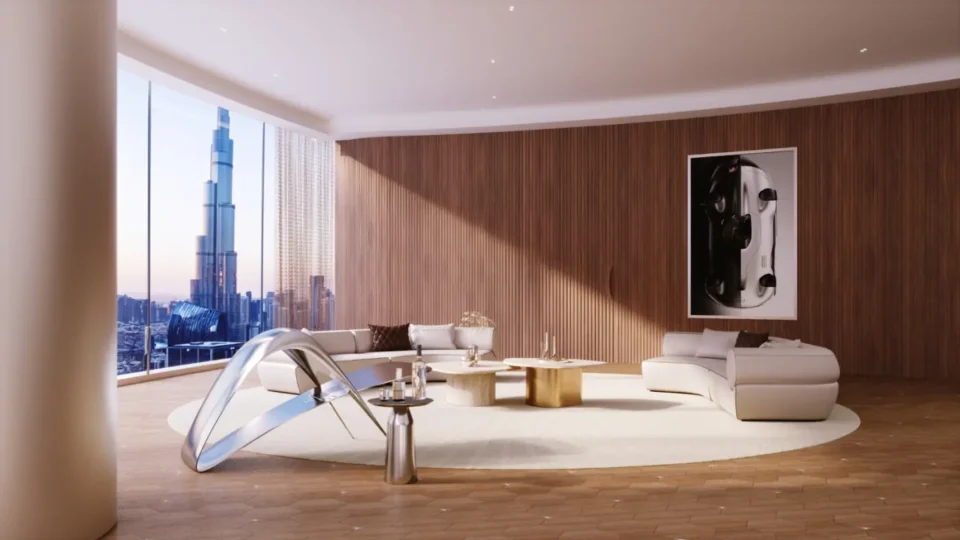
Dubai’s luxury property market is thriving due to several key factors that continue to attract the global elite. Among the primary drivers are:
- Golden Visa program offering long-term residency to investors.
- Tax-free environment, including no capital gains, inheritance, or property taxes.
- High rental yields and strong capital appreciation potential.
Limited Supply and Soaring Demand
One of the most significant factors fueling the luxury property boom in Dubai is the scarcity of available properties in prime locations. This imbalance between demand and supply, particularly in areas like Palm Jumeirah and Downtown Dubai, is pushing prices upward.
Some of the most notable trends include:
- Exclusive, low-density developments that cater to HNWIs.
- Record-breaking sales in prime locations, with luxury buyers outpacing supply.
- High interest in waterfront villas and branded residences, which offer privacy and luxury.
Expansion of Branded Residences and High-End Developments
The rise of branded residences has become a defining trend in Dubai’s ultra-luxury market. Collaborations between top hotel chains and developers are resulting in world-class residential offerings that go beyond the standard luxury experience. These developments feature:
- Exclusive services such as 24/7 concierge, private chefs, and wellness centers.
- Smart home technologies are integrated into each unit, offering modern convenience and sustainability.
- Branded properties from global names like Four Seasons, Bulgari, and Ritz-Carlton, which add an additional layer of prestige.
Prime Locations for Ultra-Luxury Properties
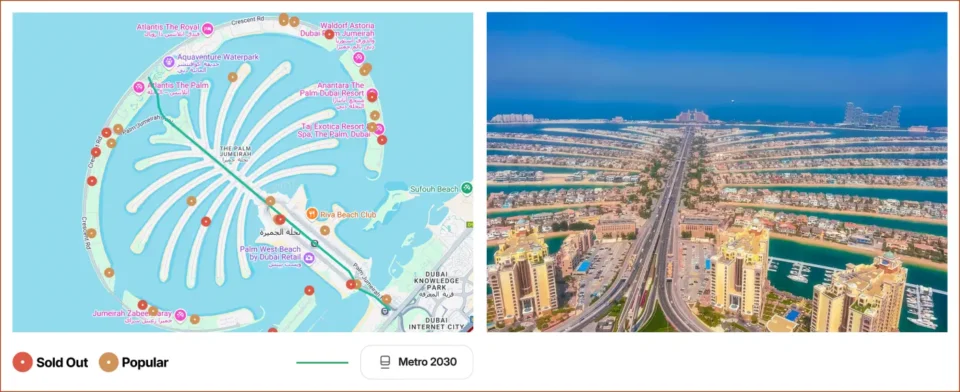
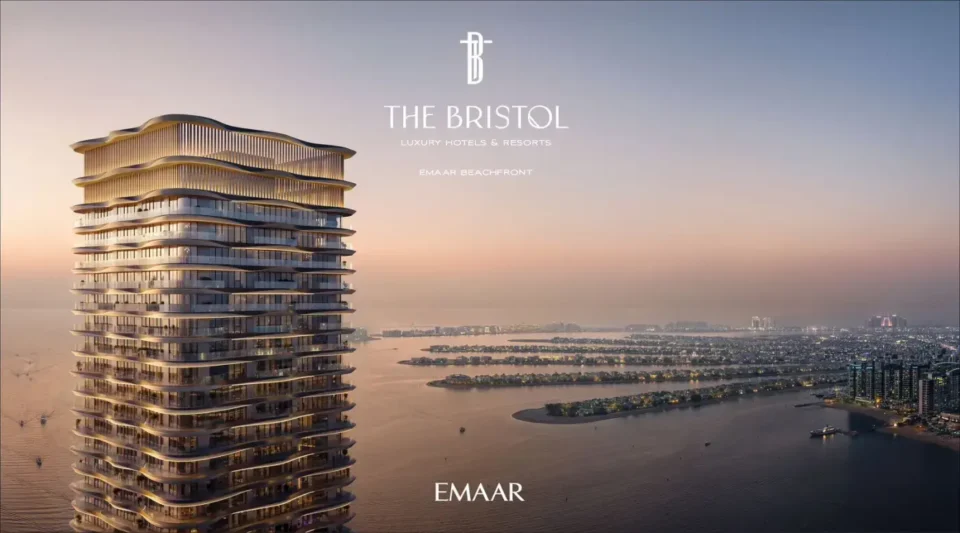
Palm Jumeirah
Palm Jumeirah remains the epitome of luxury living in Dubai. Its distinctive shape and exclusive properties attract buyers looking for prime real estate. Residents enjoy:
- Private beaches, with unobstructed views of the Arabian Gulf.
- High-end properties such as One Palm and Atlantis The Royal, setting new benchmarks in luxury living.
- Prestigious amenities like yacht clubs, fine-dining restaurants, and world-class spas.
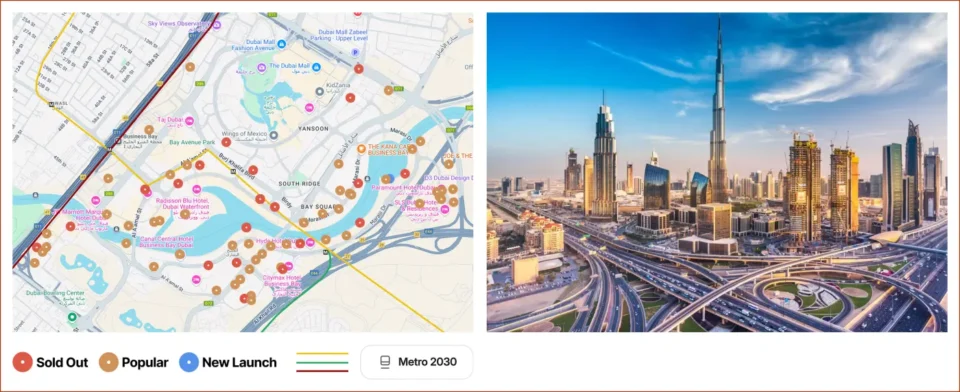
Downtown Dubai & Business Bay
For those who prefer a cosmopolitan lifestyle with close proximity to business hubs, Downtown Dubai and Business Bay offer some of the most sought-after addresses. Key features include:
- Penthouses with breathtaking views of the Burj Khalifa and Dubai Fountain.
- Proximity to high-end retail, cultural landmarks, and premium dining experiences.
- Luxury high-rises with private pools and rooftop terraces, are ideal for those who want a view from the top.
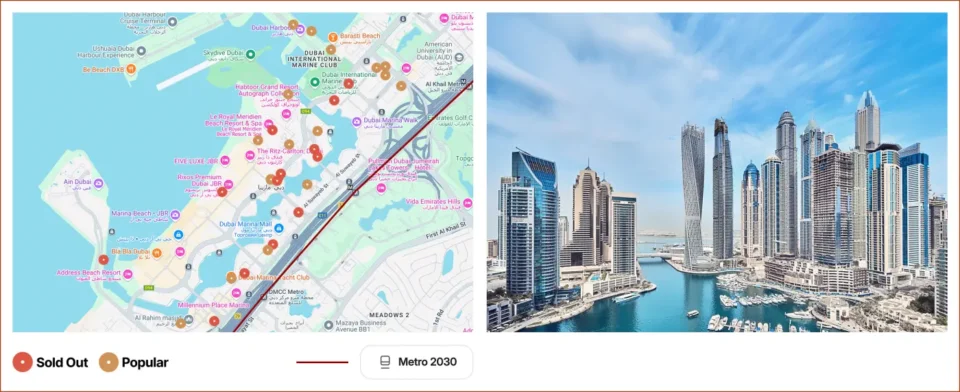
Dubai Marina & Bluewaters Island
For a mix of waterfront living and urban convenience, Dubai Marina and Bluewaters Island stand out. These areas are increasingly popular due to their blend of luxury and vibrant surroundings:
- Marina-facing apartments with sweeping views of the waterfront and skyline.
- Branded residences, such as those on Bluewaters Island, which features Ain Dubai, the world’s tallest observation wheel.
- Access to exclusive retail and leisure destinations, perfect for those who want a luxurious yet lively environment.
Market Outlook
Looking ahead, the outlook for Dubai’s ultra-luxury real estate market remains positive. Demand is expected to continue outpacing supply in key areas, leading to further price appreciation. The sustainability of new developments, branded properties, and smart homes will continue to be dominant trends, with investors keen on luxury and eco-conscious living.
As Dubai solidifies its position as a premier destination for ultra-luxury real estate, the market is set to attract even more global investors seeking both lifestyle and investment opportunities.
Sustainability & Smart City Initiatives
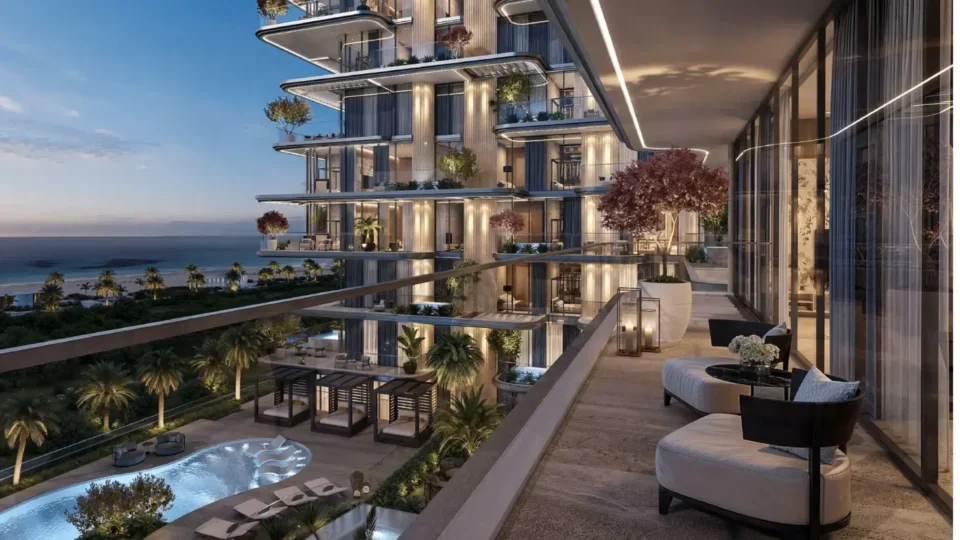
Dubai’s commitment to sustainability and innovation is transforming its luxury real estate market. As the city advances its smart city initiatives, buyers are increasingly seeking properties that integrate technology with eco-friendly solutions.
Key sustainability trends in the Dubai real estate market include:
- Green building certifications. Developers are focusing on sustainability, with many buildings earning certifications like LEED (Leadership in Energy and Environmental Design) for energy efficiency and environmental impact.
- Renewable energy sources. Solar panels, smart energy systems, and efficient waste management are becoming standard in luxury developments.
- Sustainable infrastructure. The city's push for greener public transportation, waste reduction, and energy-efficient systems is reflected in new real estate projects.
Rental Market Trends & ROI for Investors
Key trends driving rental demand and ROI include:
- High rental yields. Dubai continues to offer some of the highest rental yields globally, particularly in luxury markets.
- Short-term rental growth. The increasing popularity of platforms like Airbnb has driven demand for short-term luxury rentals in areas like Palm Jumeirah, Downtown Dubai, and Dubai Marina.
- Foreign investor appeal. With tax incentives and high returns, foreign investors are continuing to purchase rental properties in Dubai as a secure and profitable investment option.
Conclusion & Investment Outlook for 2025
The Dubai luxury real estate market is set to remain one of the most dynamic and lucrative sectors in 2025. As the city attracts more global investors, it will continue to see high demand for exclusive, branded, and sustainable properties.
Key takeaways for investors:
- Continued growth in luxury and ultra-luxury segments, especially in prime locations like Palm Jumeirah and Downtown Dubai.
- A shift toward sustainability and smart technology will become central in high-end developments.
- High rental yields and strong capital appreciation make Dubai an attractive destination for investors seeking both returns and lifestyle.
Looking ahead, Dubai’s strategic initiatives and investor-friendly policies make it a top contender in the global real estate market, promising significant opportunities for those looking to invest in the city’s flourishing luxury market.
