
Material updated: 04.06.26
Dubai is renowned for its iconic skyline and luxury developments, but it's the city's stunning waterfront properties that truly set it apart. From the shimmering shores of Palm Jumeirah to the vibrant canals of Dubai Marina and the serene lagoons in Mohammed Bin Rashid City, these properties offer not only breathtaking views but also a highly sought-after lifestyle.
Over the years, waterfront living has become a symbol of prestige and exclusivity in Dubai’s real estate market. These developments often come with premium amenities, private beaches, yacht clubs, and easy access to entertainment hubs — attracting both end-users and investors looking for high-value opportunities.
As demand grows and new waterfront projects continue to launch, many investors are asking: Are these properties truly worth the investment? In this article, we’ll explore the factors driving demand, evaluate the pros and cons, and assess whether Dubai’s waterfront homes offer long-term returns.
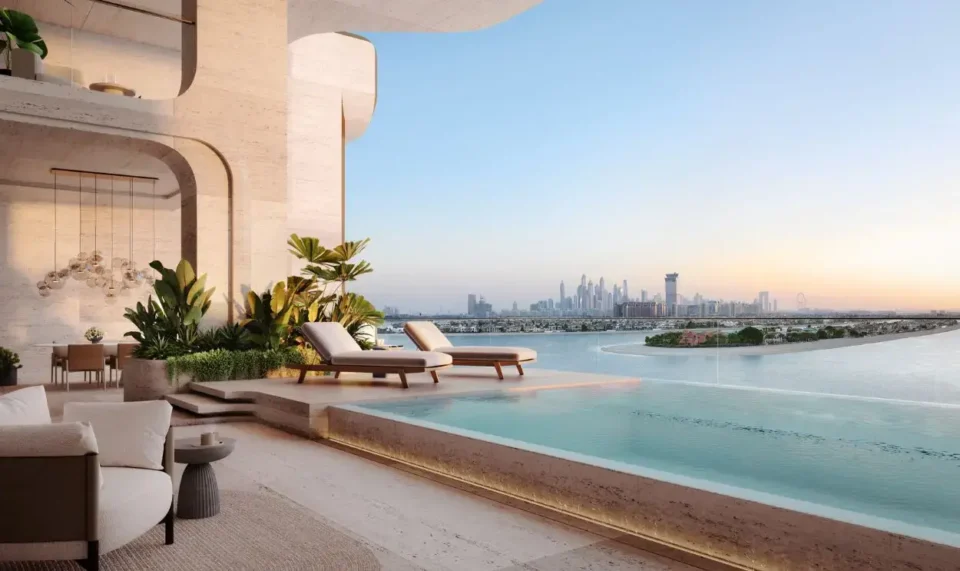
Popular waterfront areas (Palm Jumeirah, Dubai Marina, etc.)
Dubai boasts some of the most prestigious and visually stunning waterfront communities in the world. These areas not only offer scenic views and luxury living but also present strong investment potential due to high demand and limited availability.
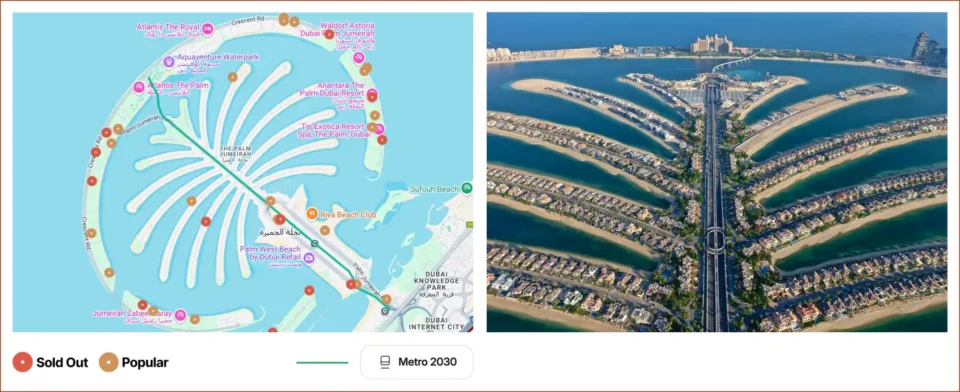
1. Palm Jumeirah
- An iconic man-made island shaped like a palm tree, known for its upscale villas, beachfront apartments, and world-class resorts.
- Offers exclusive access to private beaches, fine-dining, and luxury hotels like Atlantis The Royal and FIVE Palm Jumeirah.
- Popular among high-net-worth individuals and international buyers, with strong resale and rental demand.
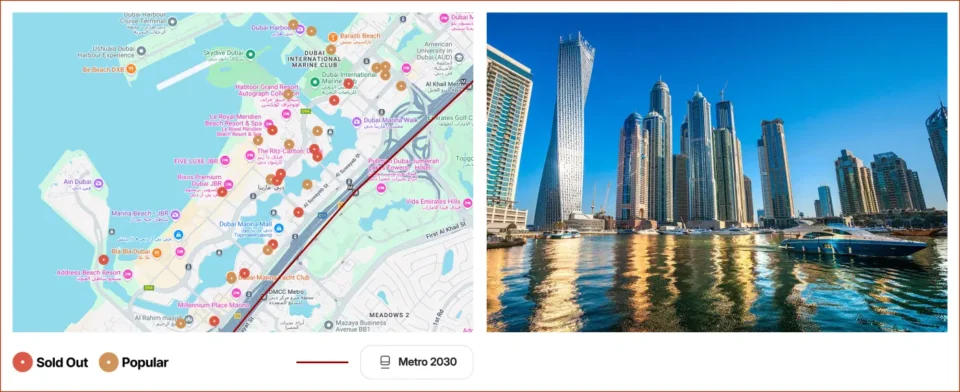
2. Dubai Marina
- A bustling waterfront district with a large concentration of high-rise residential towers, retail outlets, and restaurants.
- Offers marina views, nightlife, and walkable access to the beach and public transport.
- Highly favored by young professionals and short-term rental investors, making it a prime area for ROI.
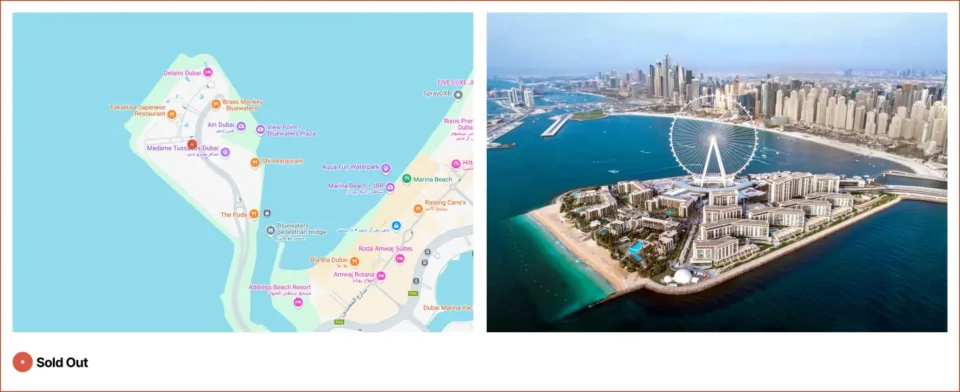
3. Bluewaters Island
- A relatively new destination featuring waterfront apartments, hotels, and the iconic Ain Dubai observation wheel.
- A mix of residential, retail, and entertainment options in a well-connected, self-contained community.
- Offers premium living and lifestyle appeal, with limited units adding to exclusivity.
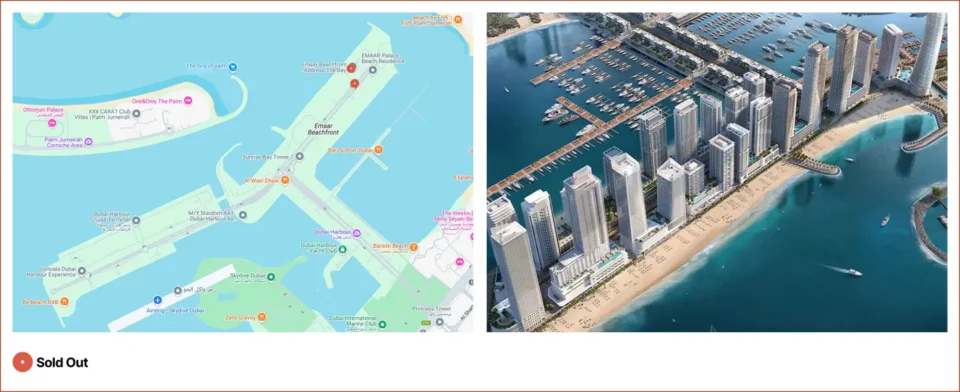
4. Emaar Beachfront
- A master-planned beachfront community located between Palm Jumeirah and Dubai Marina.
- Offers private beach access, luxury towers, and a more tranquil environment compared to Marina.
- Attracts both investors and end-users looking for modern, resort-style living.
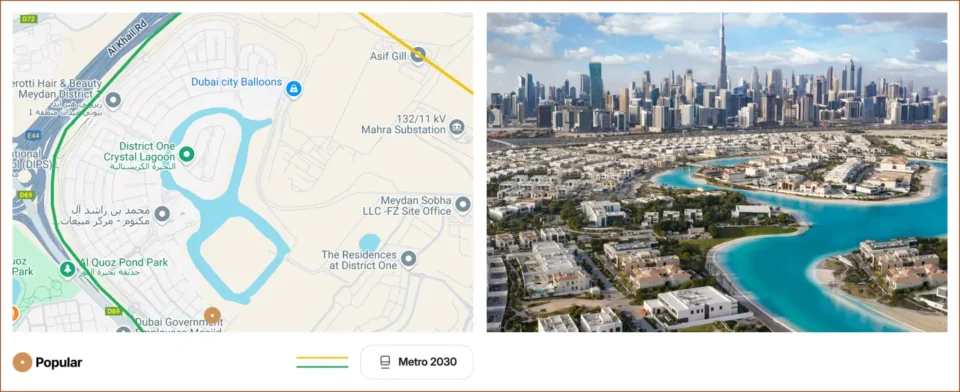
5. Mohammed Bin Rashid Al Maktoum City — District One
- Features crystal lagoon-front villas and mansions in a serene setting just minutes from Downtown Dubai.
- Combining waterfront living with city accessibility, attracting families and high-end buyers.
Each of these areas offers a unique value proposition, whether it's iconic views, exclusive amenities, or strong rental performance. Choosing the right one depends on your investment goals, whether you’re seeking capital appreciation, rental income, or a luxurious lifestyle residence.
Benefits of investing in waterfront properties
Waterfront properties in Dubai offer more than just postcard-worthy views — they come with a range of advantages that make them highly attractive to both end-users and investors. Here’s why these homes are often considered a smart investment:
1. Strong Capital Appreciation
- Waterfront properties, especially in high-demand areas like Palm Jumeirah or Emaar Beachfront, tend to appreciate faster than inland real estate.
- Limited availability and growing demand from both local and international buyers create long-term value.
2. Premium Rental Yields
- High demand for short-term rentals and holiday homes in waterfront areas leads to excellent rental income potential.
- Tourists and business travelers often prefer staying in marina-facing or beachfront apartments, ensuring consistent occupancy rates.
Example: Properties in Dubai Marina and Palm Jumeirah frequently offer rental yields of 6%–9%, especially for fully furnished units.
3. Lifestyle Appeal & Prestige
- These properties come with exclusive amenities such as private beaches, marinas, high-end retail, and waterfront promenades.
- Attracts high-net-worth individuals and professionals seeking luxury, convenience, and leisure.
4. Limited Supply, High Demand
- Waterfront plots are finite, particularly on man-made islands and prime locations, which keeps inventory low and value high.
- New developments are often quickly sold out, creating urgency and competition among buyers.
5. Resale Advantage
- Properties with water views or direct beach access often enjoy higher resale values and faster turnaround times.
- A waterfront address in Dubai adds perceived value, helping properties stand out in a crowded market.

Financial considerations: prices, ROI, rental yields
Investing in waterfront real estate in Dubai can offer attractive financial returns — but it also requires a clear understanding of market dynamics, pricing trends, and income potential. Here’s a breakdown of the key financial factors to consider:
1. Property Prices
Waterfront properties command a premium price due to their location, views, and lifestyle offerings. Prices vary significantly depending on the area, property type, and development stage.
Location Starting Price (Approx.)
Property Type Palm Jumeirah AED 2M – 100M+ Apartments, villas, penthouses Dubai Marina AED 1.5M – 10M+ High-rise apartments Emaar Beachfront AED 2.2M – 8M+ Luxury beachfront apartments Bluewaters Island AED 2.8M – 20M+ Apartments, branded residences District One (Lagoon) AED 8M – 45M+ Villas, mansions
2. Return on Investment (ROI)
- Capital Appreciation. Waterfront properties typically offer higher appreciation rates due to limited supply and high demand.
- Desirability of location, upcoming infrastructure (e.g., new transport links), and community amenities all contribute to strong ROI.
- Off-plan purchases in emerging waterfront areas often yield higher ROI upon completion.
Example: Off-plan units in Emaar Beachfront have shown 20–30% price growth between the launch and handover stages in recent years.
3. Rental Yields
- Short-term rental yields in waterfront areas are among the highest in Dubai, especially in tourist-heavy locations.
- Fully furnished units with sea or marina views can generate 6%–9% rental yields, and even more during peak seasons.
- Holiday home licensing has made it easier for owners to legally rent properties on a short-term basis via platforms like Airbnb.
Area Average Gross Rental Yield
- Palm Jumeirah 5.5% – 7.5%
- Dubai Marina 6% – 8%
- Emaar Beachfront 6.5% – 9% (short-term)
- Bluewaters Island 5% – 6.5%
- Risks and challenges (maintenance, environmental factors)
While waterfront properties offer prestige and strong investment potential, they also come with specific risks and responsibilities that every investor should be aware of. Here's a closer look at the key challenges:
1. Higher Maintenance Costs
- Exposure to salty air and humidity from the sea can accelerate wear and tear on building materials, windows, and outdoor furniture.
- Owners may need to invest more frequently in property upkeep, including AC servicing, facade cleaning, and corrosion prevention.
- Luxury amenities such as private pools, landscaped gardens, and beachfront access require regular, professional maintenance.
Tip: Opt for well-managed communities or properties with strong developer maintenance records.
2. Environmental Factors
- Coastal erosion, flooding risks, and rising sea levels are long-term concerns for waterfront developments worldwide.
- Though Dubai has invested heavily in coastal engineering and protective infrastructure, climate-related risks remain a point of consideration for future sustainability.
- Strong winds and high humidity can also reduce comfort and affect the building’s exterior over time.
3. Premium Pricing = Higher Entry Cost
- Waterfront units are significantly more expensive per square foot compared to inland properties.
- This may limit your investment portfolio diversification or ability to scale unless you're purchasing off-plan or at pre-launch pricing.
4. Tourist & Seasonal Dependency
- Rental income, especially in short-term leasing, can be seasonal — with higher returns during tourist months and quieter periods in the summer.
- Properties in highly touristic areas may experience fluctuating demand and higher vacancy rates off-season.
5. Limited Availability & Developer Control
- Some of the most desirable waterfront plots are controlled by a few developers, resulting in limited inventory and premium prices.
- Investors may also be subject to strict design or renovation rules, particularly in gated waterfront communities.
Comparative analysis with non-waterfront properties
When evaluating real estate investment options in Dubai, it's important to weigh the differences between waterfront and non-waterfront properties. Both categories offer unique advantages depending on your budget, goals, and preferred tenant or buyer profile.
Here’s a side-by-side comparison to help clarify the distinctions:
Factor Waterfront Properties Non-Waterfront Properties
Price per Sq. Ft. Higher — premium pricing for views & exclusivity More affordable — greater range for budget-conscious buyers
Capital Appreciation Strong — limited supply, iconic locations Moderate — depends on community development and demand
Rental Yields 6%–9% (especially in short-term rentals) 5%–7% (steady in well-developed communities)
Maintenance Costs Higher due to coastal exposure and luxury amenities Lower ongoing costs
Tenant/Buyer Demand High among luxury seekers, tourists, and HNWIs Broad demand from families, professionals, and first-time buyers
Liquidity It can take longer to sell due to a higher price bracket Often faster resale, especially for mid-market units
Lifestyle Appeal Exclusive beach, marina, or lagoon access Community parks, malls, schools — family-oriented amenities
Risk Factors Environmental exposure, seasonal rental dips Market competition, slower appreciation in oversupplied zones
Key Takeaways
- Waterfront properties are ideal for investors targeting luxury buyers, short-term rental income, and capital appreciation in premium areas like Palm Jumeirah or Bluewaters Island.
- Non-waterfront properties offer a lower entry cost, broader tenant base, and more consistent long-term occupancy, making them appealing for stable, conservative investments.
The right choice ultimately depends on your investment strategy — whether you're prioritizing prestige and growth potential or seeking steady, low-risk returns.
Conclusion: Investment potential and future outlook
Waterfront properties in Dubai continue to stand out as a premium investment class, offering a unique mix of luxury, lifestyle appeal, and long-term value. With limited supply, strong demand from both local and international buyers, and high rental yield potential — especially in short-term leasing — these properties deliver on multiple fronts.
Looking ahead, Dubai’s waterfront developments are expected to remain highly desirable, thanks to ongoing tourism growth, infrastructure improvements, and the city’s commitment to innovative urban planning. Projects like Dubai Islands, Emaar Beachfront, and ongoing upgrades in Palm Jumeirah and Dubai Marina will further fuel interest and investment activity.
That said, investors should also weigh the higher entry costs, seasonal dynamics, and maintenance demands that come with waterfront real estate. For those prepared to invest in high-quality assets with proper management, the returns can be both financially and personally rewarding.
In summary, waterfront properties in Dubai are not just a symbol of prestige — they are a strategic asset with strong potential for capital appreciation, rental income, and lifestyle value, especially in a market that continues to attract global attention.
