
Material updated: 06.06.26
Dubai’s real estate market is on the brink of transformation in 2025, driven by a blend of technological advancements, sustainability efforts, and shifting buyer preferences. As one of the world’s most sought-after real estate destinations, Dubai is adapting to the changing demands of investors and residents alike. In this article, we’ll dive into the top five trends that are set to reshape the market, from the rise of luxury developments and smart cities to the growing emphasis on sustainability. Whether you’re an investor looking for high returns or a buyer seeking the perfect property, these forecast and trends will guide you through Dubai’s dynamic real estate landscape in 2025.
Trend #1: Rise of Smart & Sustainable Developments
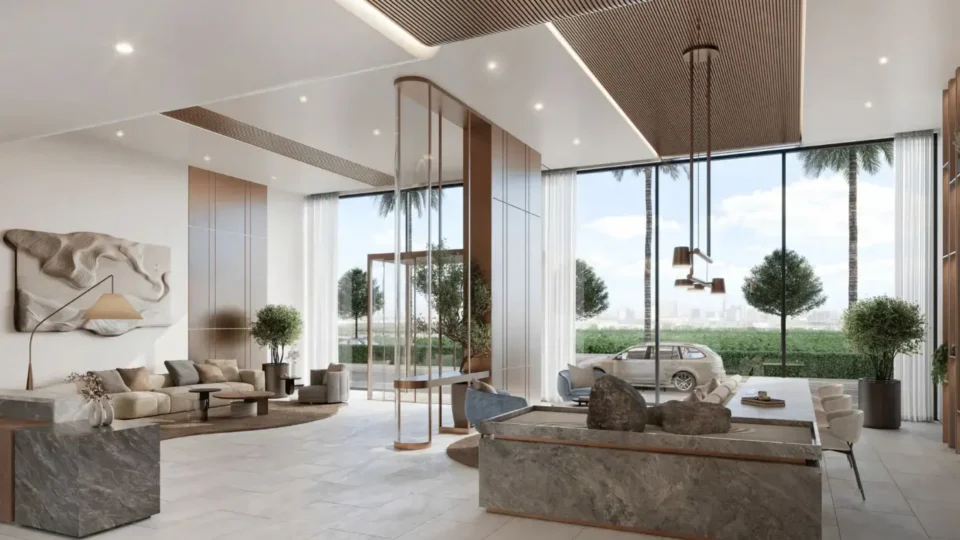
As Dubai looks to the future, sustainability and technology are at the forefront of its real estate evolution. The demand for smart homes and eco-friendly developments is growing, driven by both environmental concerns and the desire for convenience and innovation in everyday living. These two aspects are not only shaping new residential and commercial properties but also enhancing the overall urban experience.
Why It Matters
The global shift toward sustainability and the increasing reliance on technology have prompted Dubai to introduce initiatives that promote green building standards, energy efficiency, and smart city technologies. From solar-powered buildings to integrated IoT (Internet of Things) systems, developers are responding to growing consumer interest in eco-conscious and tech-savvy living.
Key Features of Smart & Sustainable Developments
- Green certifications. Many new developments are designed to meet global environmental standards, such as LEED or Estidama (a green building rating system specific to the UAE).
- Energy-efficient technologies. These include solar panels, smart lighting, and automated systems to monitor and optimize energy consumption.
- Sustainable materials. Developers are incorporating recyclable and low-impact materials to minimize environmental footprints.
- Smart infrastructure. Cities like Dubai are embracing smart grids, intelligent transportation systems, and AI-based solutions to create a more efficient urban ecosystem.
The growing importance of these developments is clear, as Dubai aims to meet its long-term Dubai 2040 Urban Master Plan — which focuses on sustainable growth and smart city solutions. As a result, both residential and commercial properties are increasingly expected to integrate cutting-edge technologies while reducing their carbon footprint.
With these shifts, smart and sustainable developments not only promise a more eco-friendly Dubai but also represent a valuable investment opportunity for buyers and investors eager to tap into the future of real estate.
Trend #2: Luxury & Ultra-Luxury Boom
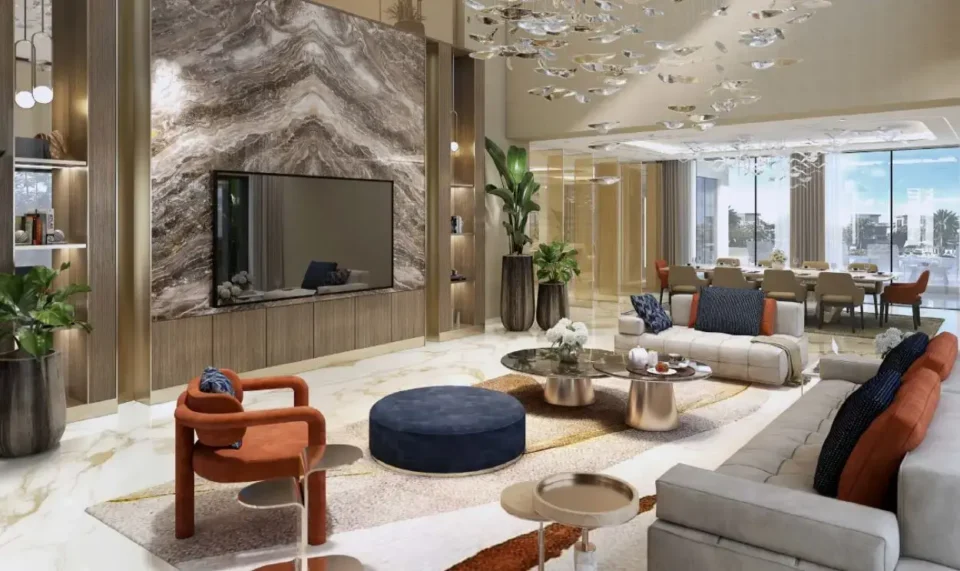
Dubai’s real estate market continues to see an unprecedented surge in luxury and ultra-luxury developments, making it one of the world’s top destinations for high-end properties. The city’s dynamic growth, along with its tax-free environment and investor-friendly policies, is driving demand for exclusive homes and commercial spaces. As we move through 2025, the appetite for luxury living is stronger than ever, with more high-net-worth individuals (HNWIs) and investors seeking unparalleled comfort, exclusivity, and world-class amenities.
Key Features Driving the Luxury Boom
- Exclusive Locations. Prime areas like Palm Jumeirah, Downtown Dubai, and Dubai Marina are seeing the highest demand, with properties boasting breathtaking views, private beaches, and access to world-renowned entertainment and shopping.
- Branded Residences. Partnerships between real estate developers and top luxury brands like Four Seasons, Ritz-Carlton, and Bulgari are becoming more common, creating properties that offer luxury living with world-class services.
- Customization & High-End Design. Ultra-luxury developments are focused on offering bespoke services, including custom interior design, private chefs, and personalized concierge services.
- Record-Breaking Sales. Dubai is setting new records in luxury property sales, with multi-million-dollar transactions occurring regularly, especially for one-of-a-kind properties.
The boom in luxury and ultra-luxury real estate is not just about opulence, it’s also a reflection of Dubai’s appeal to global investors seeking secure, high-value assets. With the demand continuing to rise, developers are investing in iconic, statement-making properties that redefine the concept of luxury living.
For investors, this presents a unique opportunity to capitalize on a market that shows no signs of slowing down, making Dubai a prime location for luxury property acquisition in 2025.
Trend #3: Shift Toward Off-Plan Investments
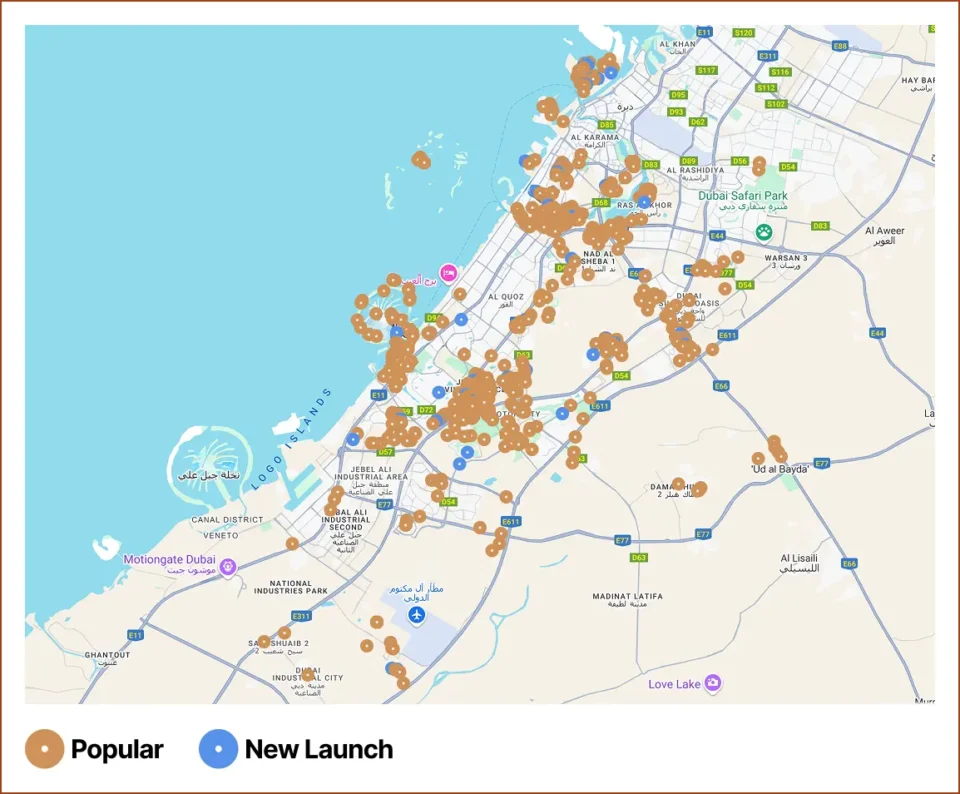
Off-plan properties offer buyers the chance to secure a property at a lower initial cost compared to ready-to-move-in homes. As Dubai's real estate market continues to mature, off-plan projects are also benefiting from strong developer incentives and government-backed initiatives designed to boost the sector. These developments are often located in emerging areas or newly planned communities, which can provide a significant upside in terms of long-term value and return on investment.
Key Drivers of the Shift Toward Off-Plan Investments
- Affordability & Payment Plans. Many developers offer attractive payment schemes for off-plan projects, such as post-handover payment options or installment-based structures, making them more accessible for both local and international buyers.
- Capital Appreciation Potential. Off-plan townhouses and apartments are often priced lower than completed ones, giving investors the potential to see significant capital gains once the project is finished and the area develops.
- Customization & Flexibility. Buyers can have more influence over the design and layout of their homes, tailoring spaces to their preferences before construction begins.
- Government Support & Expo 2020 Legacy. The continued success of Dubai’s economy, boosted by international events like Expo 2020, provides a solid foundation for the growth of off-plan developments. Additionally, affordable housing schemes and new infrastructure projects add to the appeal of off-plan investments.
- New Developments in Emerging Areas. As Dubai continues to expand, off-plan properties in newly developed areas such as Dubai Creek Harbour and Mohammed Bin Rashid City are becoming more popular, offering investors opportunities in areas with high future growth potential.
For investors looking to maximize their returns in Dubai's real estate market, off-plan properties present a compelling opportunity to enter emerging markets at an earlier stage, with the chance of substantial value appreciation once the developments are completed.
Trend #4: Growth of Short-Term Rentals & Holiday Homes
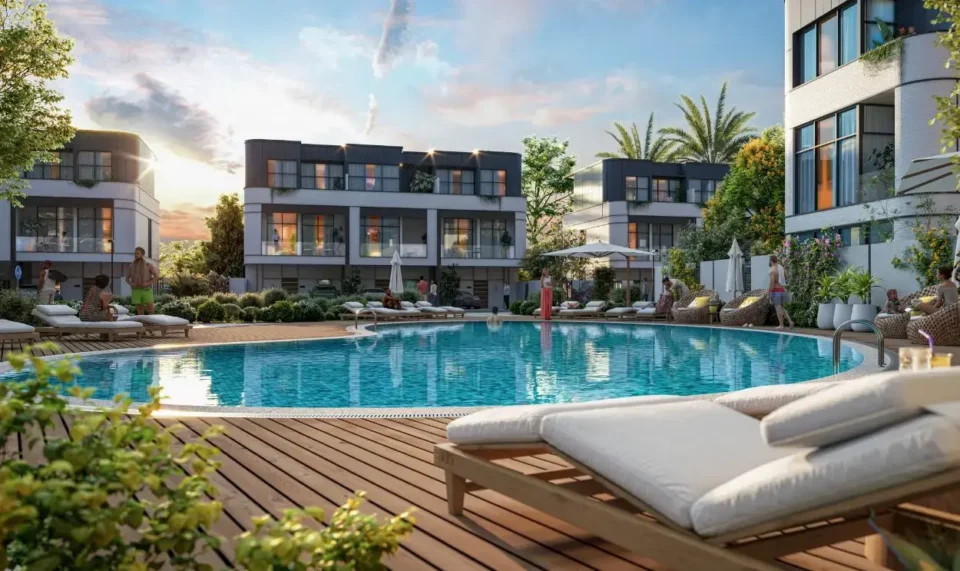
The demand for short-term rentals and holiday homes is skyrocketing in 2025, as Dubai continues to position itself as a prime destination for tourism and business. The rise of platforms like Airbnb and Booking.com has fueled this trend, making it easier for property owners to tap into the lucrative short-term rental market. This trend is not only benefiting landlords and investors but also enhancing the overall tourism experience in the city.
Key Drivers Behind the Growth of Short-Term Rentals
- High Tourism Demand. Dubai is one of the world’s top tourist destinations, attracting millions of visitors annually. The city’s world-class attractions, such as the Burj Khalifa, Dubai Marina, and Expo 2020 legacy, ensure a steady stream of potential renters looking for short-term accommodations.
- Lucrative Rental Yields. Property owners in popular areas, such as Palm Jumeirah, Dubai Marina, and Downtown Dubai, can expect high returns from short-term rental options, often surpassing long-term rental yields.
- Flexibility for Owners. Investors can enjoy the flexibility of using their properties for personal use during off-peak seasons while also generating revenue during peak tourist periods.
- Government Support. Dubai has introduced a range of regulations and initiatives to promote the short-term rental market, including tourism-friendly policies and license provisions for short-term rental operators.
- Upscale Holiday Homes. Many property developers are targeting the growing demand for high-end holiday homes, with exclusive properties offering private pools, luxury amenities, and prime locations to cater to affluent tourists.
Trend #5: Foreign Investment & Golden Visa Influence
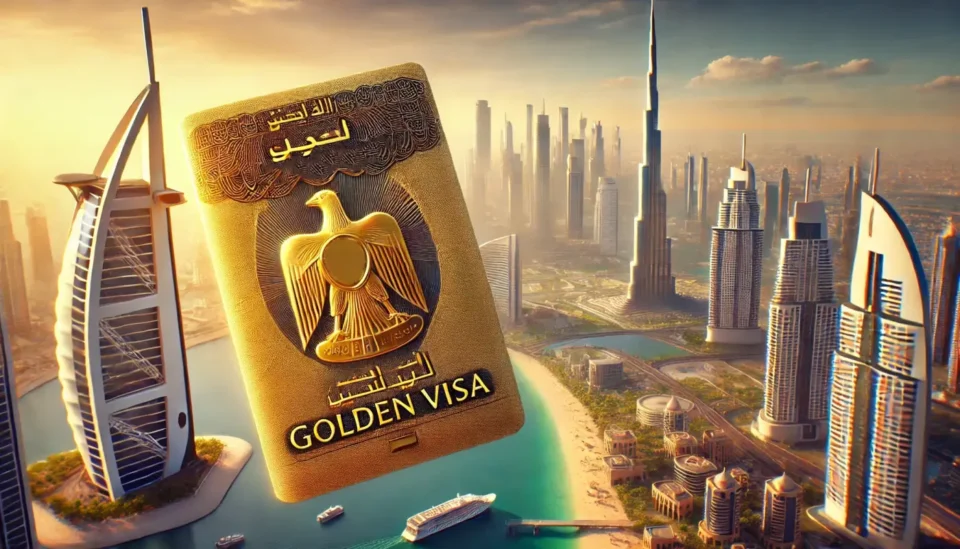
The introduction of the Golden Visa has given foreign investors a clear incentive to purchase property in Dubai, offering them long-term residency without the need for a local sponsor. This has not only spurred interest in residential real estate but also bolstered demand in commercial and mixed-use developments. As Dubai continues to grow as a business and cultural hub, foreign investors are looking to tap into the potential of the city’s thriving real estate market.
Key Factors Driving Foreign Investment
- Golden Visa Program. The 10-year residency visa for property investors allows foreign nationals to own real estate in Dubai and the UAE without restrictions, making it an attractive option for long-term relocation or investment. Eligible categories include:
- Real Estate Investors. Foreign nationals who invest at least AED 2 million (~$545,000) in real estate can apply for a 10-year renewable visa.
- Entrepreneurs. Owners or partners in innovative startups registered as SMEs in the UAE with a minimum capital of AED 500,000 (~$136,000).
- Highly Skilled Professionals — scientists, PhD holders, and data specialists, top executives and senior management professionals, medical professionals, engineers in IT, electronics, biotechnology, and other high-demand fields.
- Outstanding Students & Graduates — high school students with a minimum score of 95%, university graduates with a GPA of 3.8 or higher.
- Retirees — individuals 55+ years old with a confirmed pension of AED 15,000 per month (~$4,100) or owning property worth at least AED 1 million (~$275,000).
- Humanitarian & Medical Workers. Professionals with significant contributions to humanitarian causes or crisis response, such as COVID-19 efforts.
- Tax Incentives. Dubai offers a tax-free environment with no capital gains or inheritance taxes, which is a strong draw for foreign investors seeking to grow their wealth.
- High Rental Yields & Capital Appreciation. Dubai remains one of the most attractive markets globally, offering high rental yields and strong capital appreciation in key areas like Palm Jumeirah, Downtown Dubai, and Dubai Marina.
- Diversification of Portfolios. Foreign investors are increasingly looking to Dubai as a safe, high-growth market to diversify their real estate holdings, especially as the UAE's real estate sector remains stable and resilient amid global uncertainties.
- Business Opportunities. Alongside the residential real estate boom, the UAE's expanding business landscape, including the introduction of free zones and business-friendly laws, is attracting international companies and entrepreneurs, further boosting the demand for both residential and commercial properties.
Conclusion & Investment Opportunities
Dubai’s real estate market in 2025 is poised for continued growth, driven by innovation, sustainability, and strong demand in luxury sectors. As the city evolves, both residential and commercial real estate offer significant opportunities for investors and buyers, thanks to its strategic location, global appeal, and investor-friendly policies.
Key Drivers of Growth and Investment Attractiveness of Dubai's Areas
The investment attractiveness and growth dynamics of Dubai's neighborhoods are driven by a combination of strategic planning and large-scale infrastructure projects. Key factors include:
- Strategic development plans. Dubai is actively pursuing initiatives to diversify its economy and attract investment. These plans contribute to the sustainable growth of various sectors of the economy and make the city more attractive to investors.
- Transportation Infrastructure Development
- Metro. In 2023, a new metro line project, the Blue Line, was approved. This 30 km line with 14 stations will connect Ras Al Khor Industrial Area, Al Warqaa, Mirdif, Dubai Creek Harbour, Dubai Silicon Oasis, Dubai Academic City and Dubai International City. The line is expected to be operational by 2029, significantly improving transportation accessibility to these areas.
- Dubai Loop project. In February 2025, Ilon Musk's The Boring Company and the Dubai Roads and Transport Authority (RTA) signed a preliminary agreement to build the Dubai Loop high-speed underground transportation network. The first phase of the project involves the construction of 17 kilometers of tunnels with 11 stations, which will allow passengers to be transported by electric cars at speeds of up to 160 km/h. The project aims to reduce traffic congestion and improve connectivity between key areas of the city.
- Airports and aviation infrastructure. Dubai International Airport (DXB) and Al Maktoum Airport (DWC) continue to expand, increasing capacity and improving logistics. This encourages business and tourism development, which has a positive impact on the investment attractiveness of the surrounding areas.
- Innovative projects. The implementation of unique projects such as artificial islands, theme parks and cultural centers attracts tourists and investors, contributing to economic growth and infrastructure development.
Top Investment Opportunities in 2025
- Luxury & Ultra-Luxury Properties. The demand for high-end residential homes and branded residences in prime locations such as Palm Jumeirah and Downtown Dubai is set to grow, offering investors lucrative returns.
- Off-Plan Developments. With attractive payment plans and significant capital appreciation potential, off-plan investments, particularly in emerging neighborhoods, provide an excellent opportunity for high returns.
- Short-Term Rentals. The continued rise in tourism makes short-term rental properties a profitable investment, particularly in popular areas. With strong yields and high occupancy rates, short-term rentals are a growing segment to consider.
- Foreign Investment & Golden Visa. With more international buyers entering the market, Dubai’s Golden Visa program remains a compelling reason for foreign investors to buy real estate and secure residency in the UAE.
In conclusion, Dubai’s real estate market remains one of the most lucrative and stable in the world. With its blend of luxury, innovation, and sustainable development, 2025 promises a wealth of investment opportunities for those looking to be part of the city’s ongoing transformation. Whether you are a seasoned investor or a first-time buyer, Dubai offers a variety of ways to capitalize on the thriving real estate sector.
